Golden Shimmers, Lasting Wonders
About the Artwork
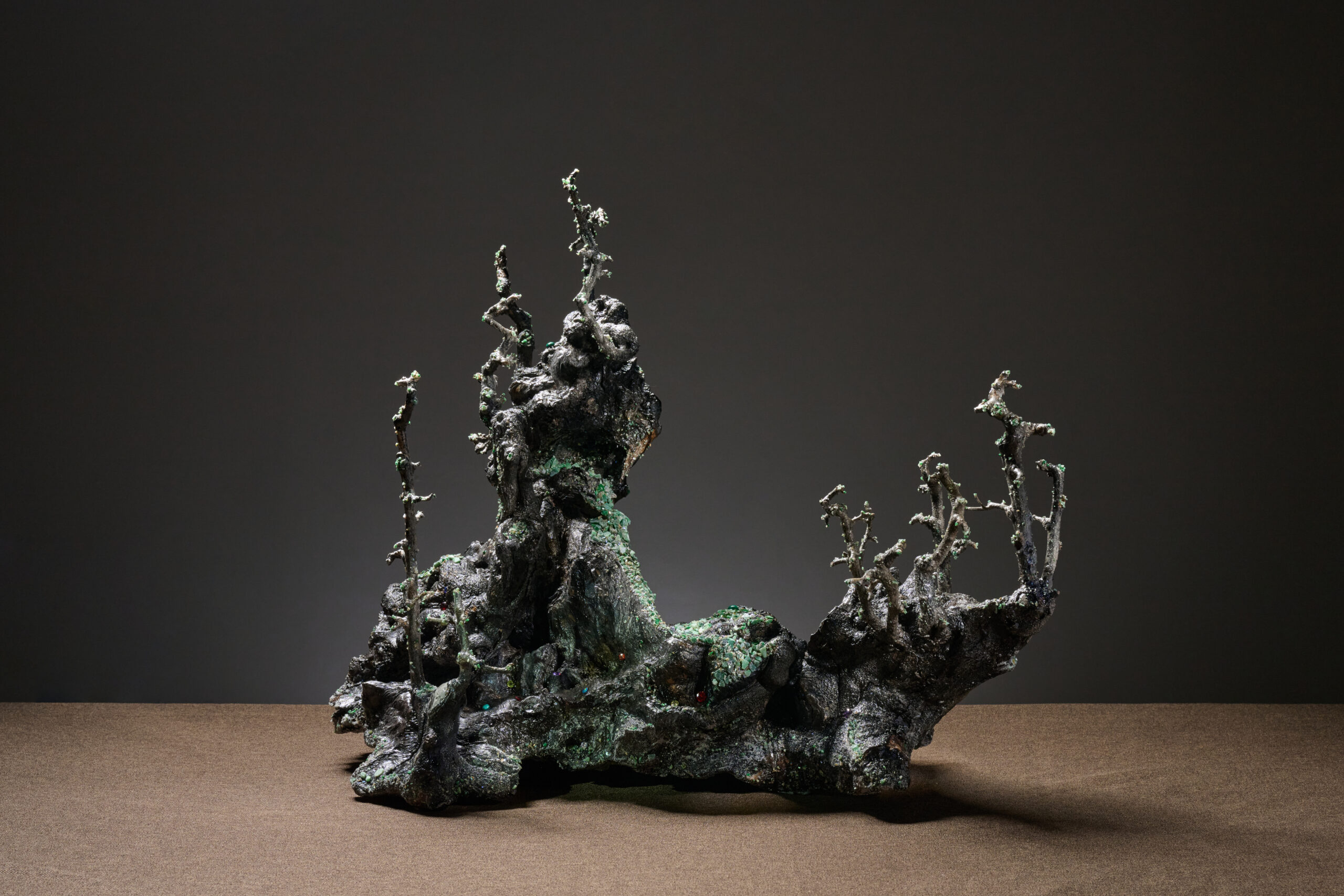
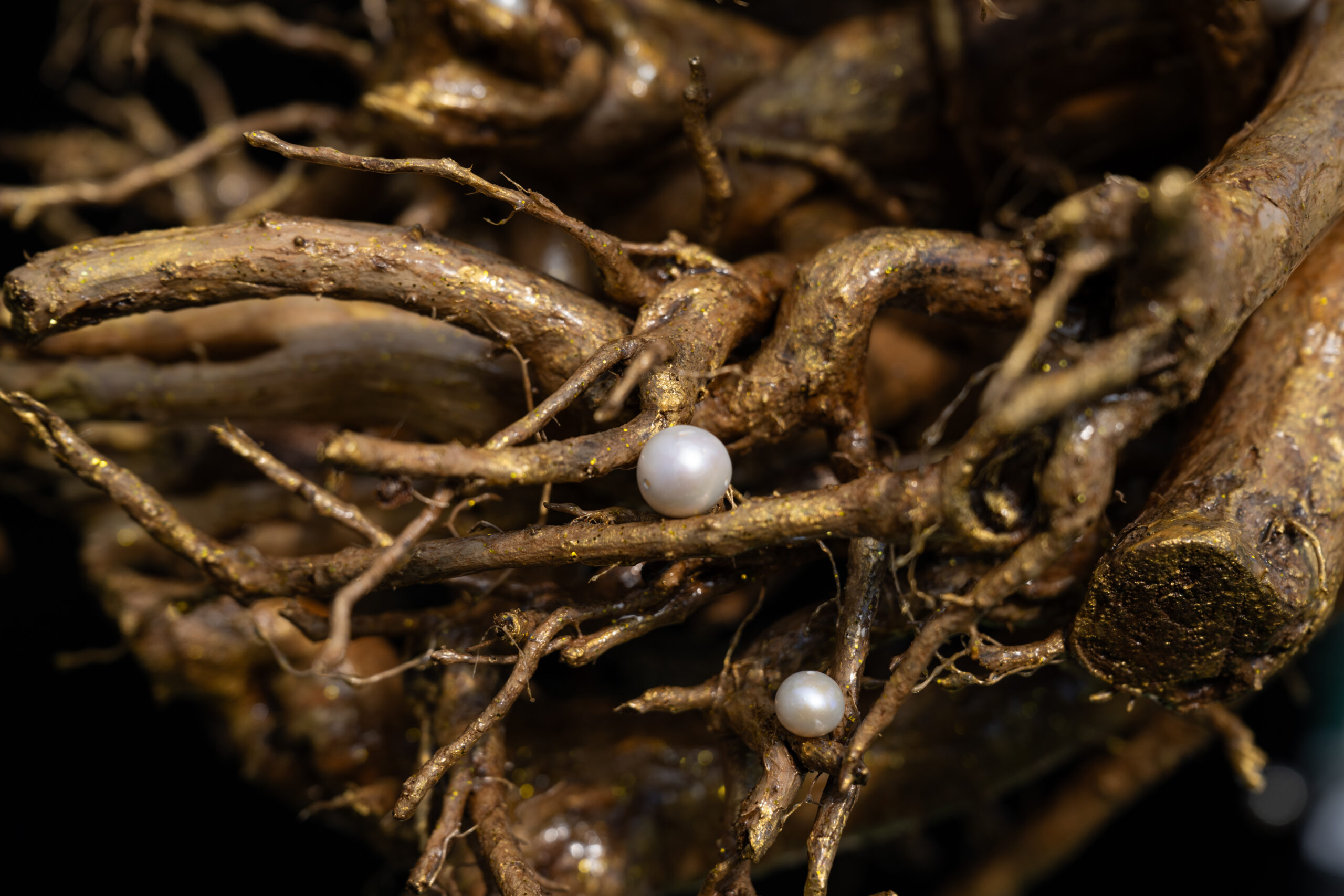
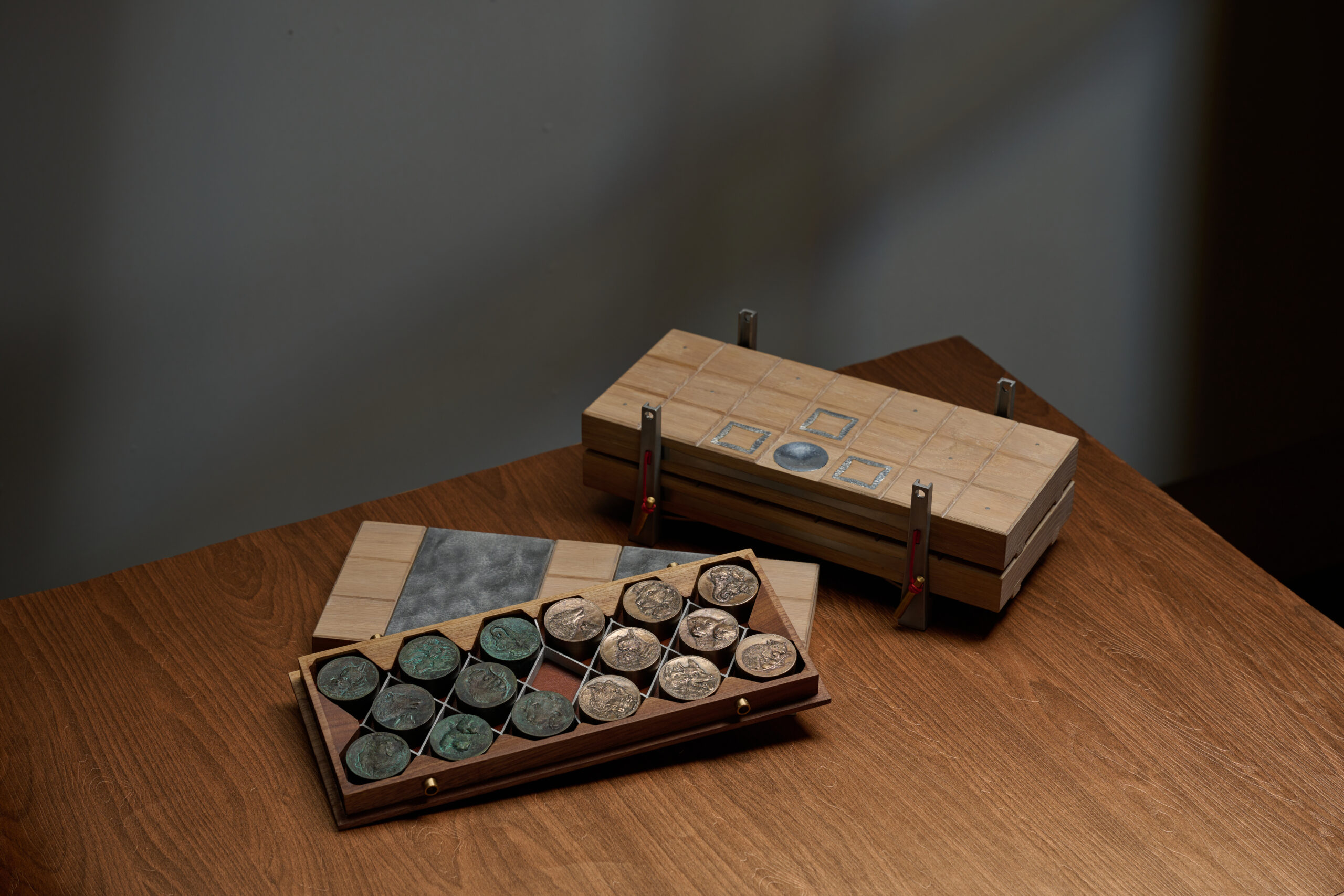
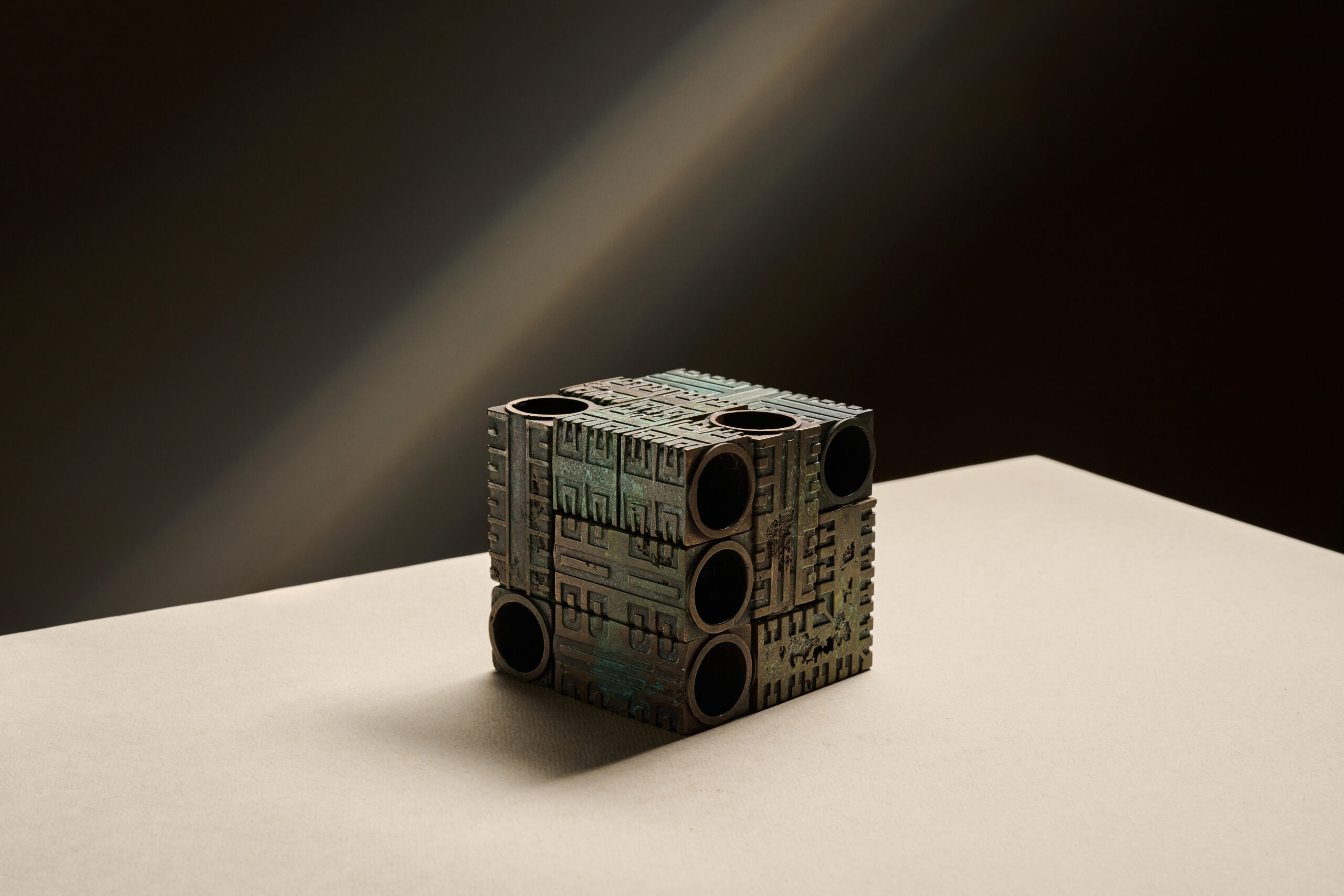
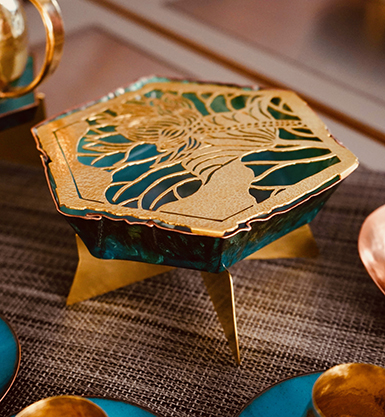
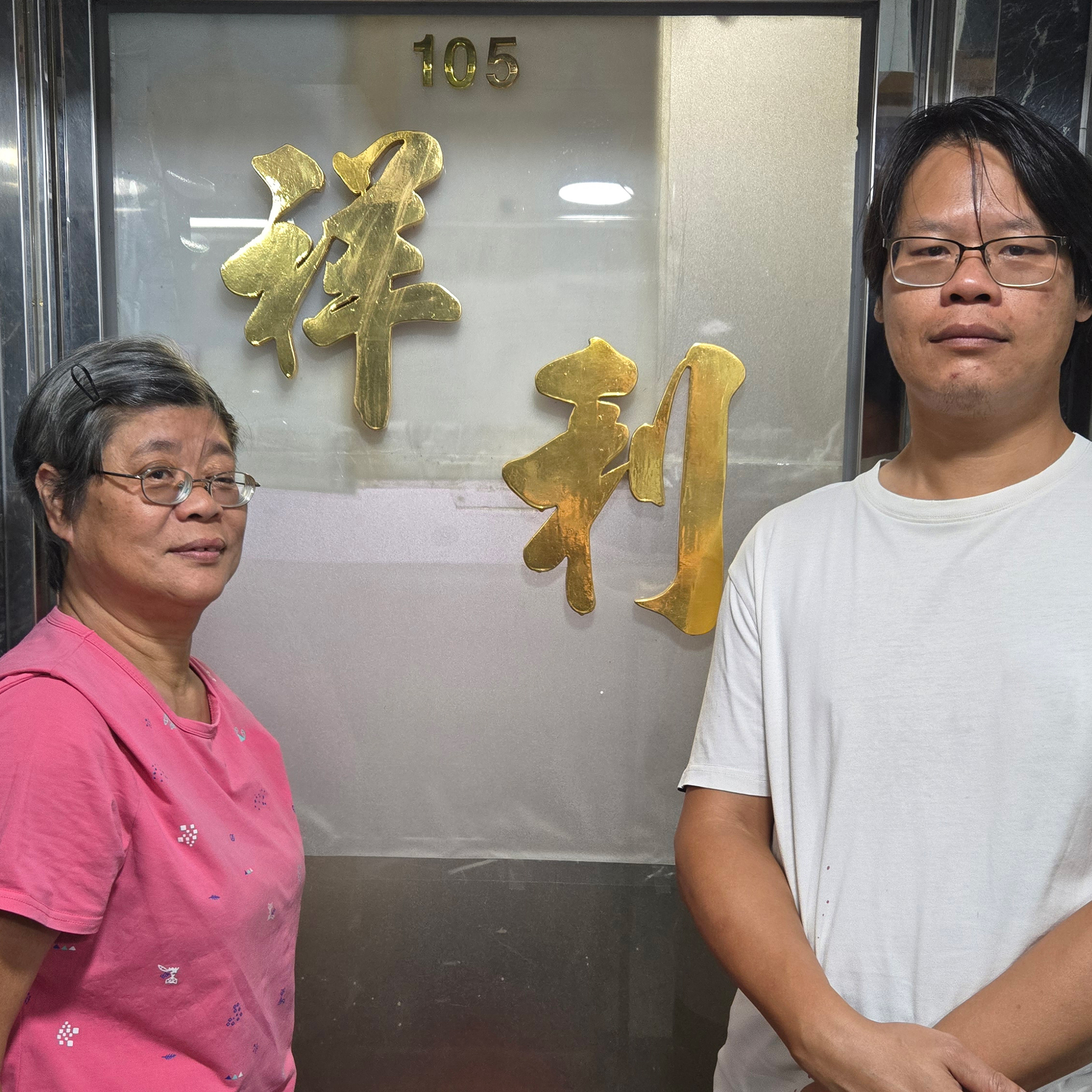
Dragon Mark Gold Leaf, a family-owned business in Hong Kong with over 45 years of expertise in the manufacturing and distribution of genuine gold leaf, has been the supplier for Cheung Lee Wood Carving & Gilding Works Co. since its establishment in 1976. This exquisite collection stands as a profound tribute to one of the most significant collaborations between Dragon Mark and Cheung Lee: the meticulous conservation of the iconic Forever Blooming Bauhinia Sculpture, located at Golden Bauhinia Square in Wan Chai waterfront.
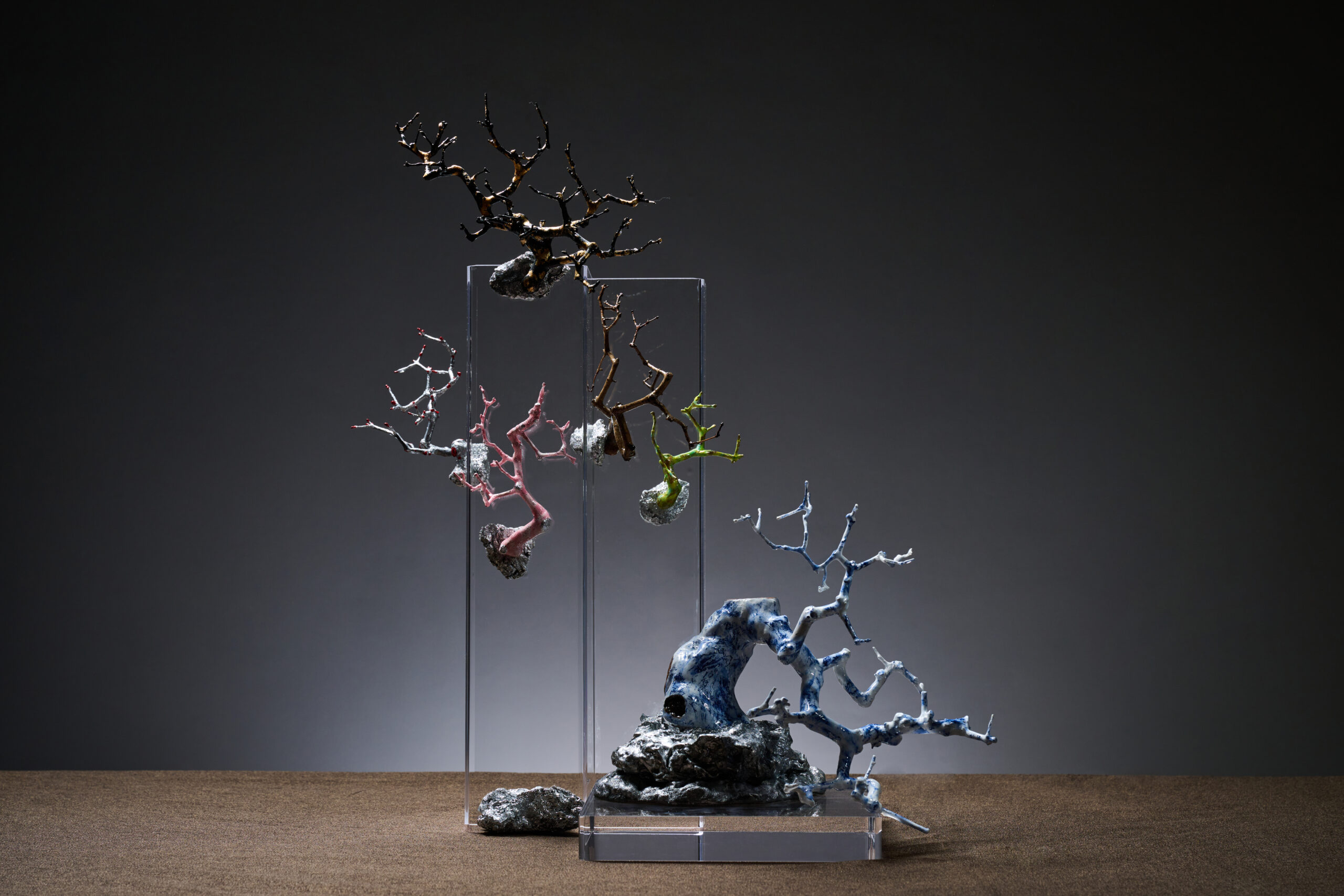
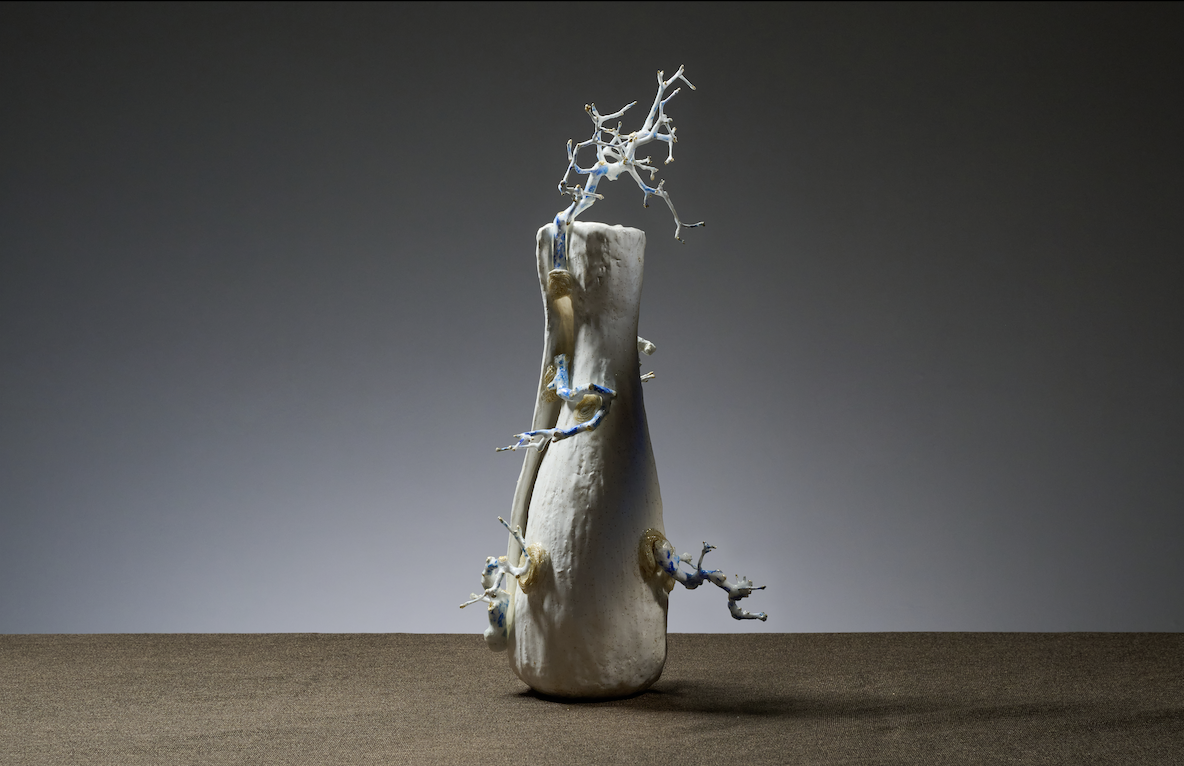
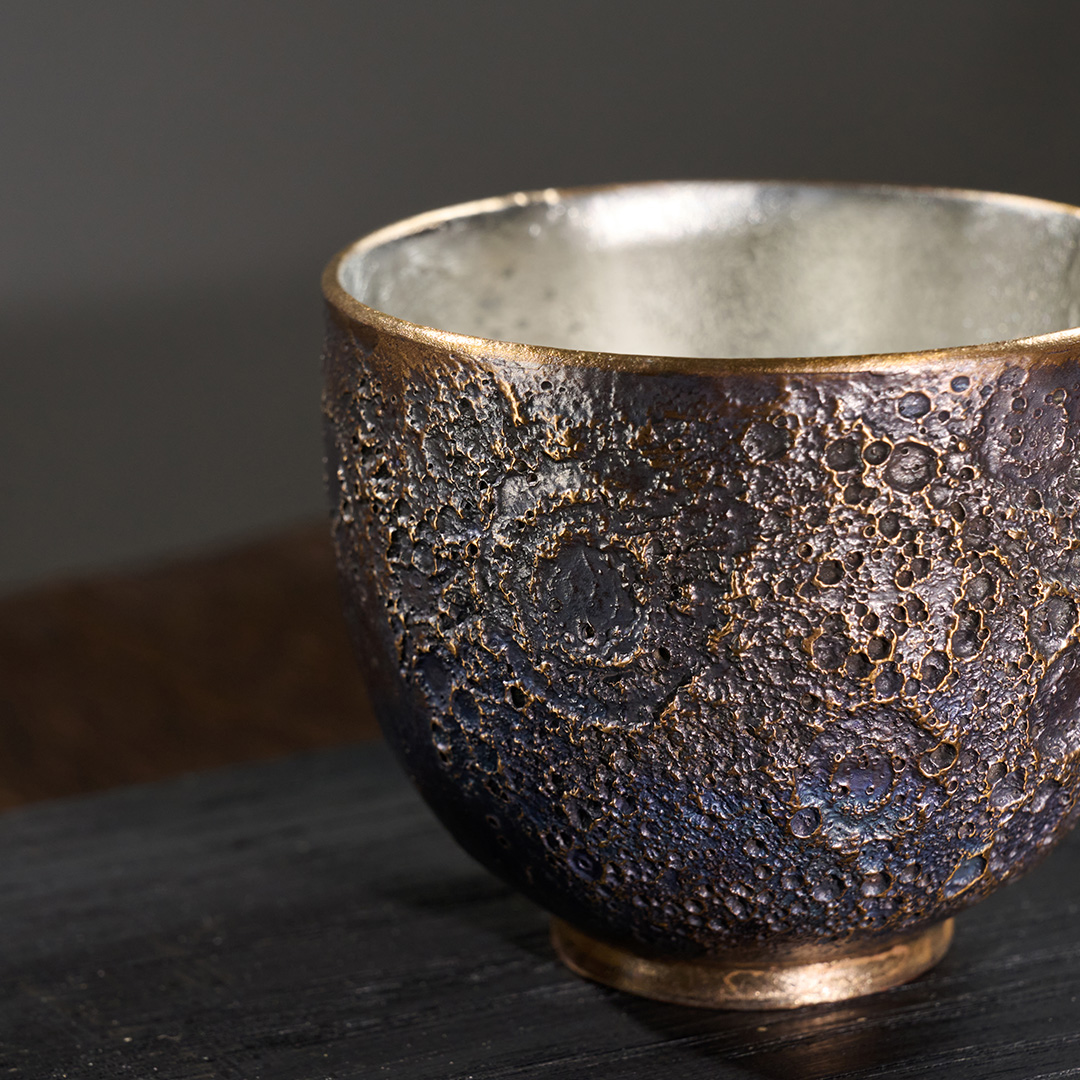
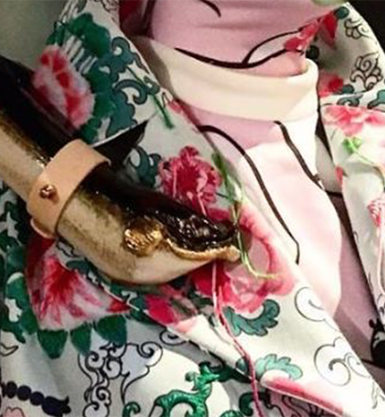
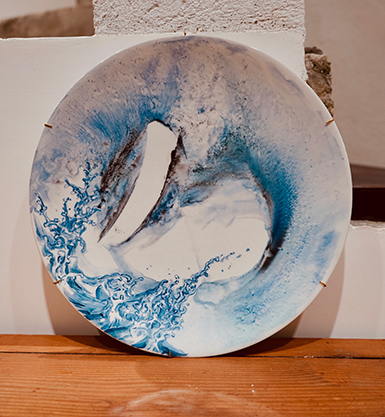
The second-generation successor of Dragon Mark Gold Leaf, Anson Lai's practice gained significant enrichment through his apprenticeship at Cheung Lee. Anson’s Bauhinia flowers are rendered across six distinct mediums. This intentional exploration of materiality bridges tradition and innovation, incorporating wood, ceramics, resin and three pioneering textures achieved through 3D printing—evoking the tactile qualities of metal, stone, and concrete.
Having successfully mastered the techniques of gold gilding, he continues to actively expand his practice by incorporating silver and copper leaves into his creations, exemplifying the boundless possibilities that emerge when tradition meets innovation.
Story of Traditional Craft
Across various cultures and civilisations, gilding signified prestige, power and spirituality. Gold was traditionally coveted for its bright lustre and resistance to tarnish; consequently, artisans learned to hammer it into very thin leaves retaining the same luminous finish at a significantly lower cost. Gilding was first introduced to Southern China during the Tang Dynasty, a time when Buddhism flourished. As a result, Buddhist temples commonly featured gilded wooden sculptures. Reaching its peak during the Ming and Qing dynasties, the role of gilding extended far beyond religious artifacts, spreading to encompass pieces depicting historical figures, nature and folklore. Furthermore, it permeated everyday customs and rituals, such as those associated with festivals and funerals.
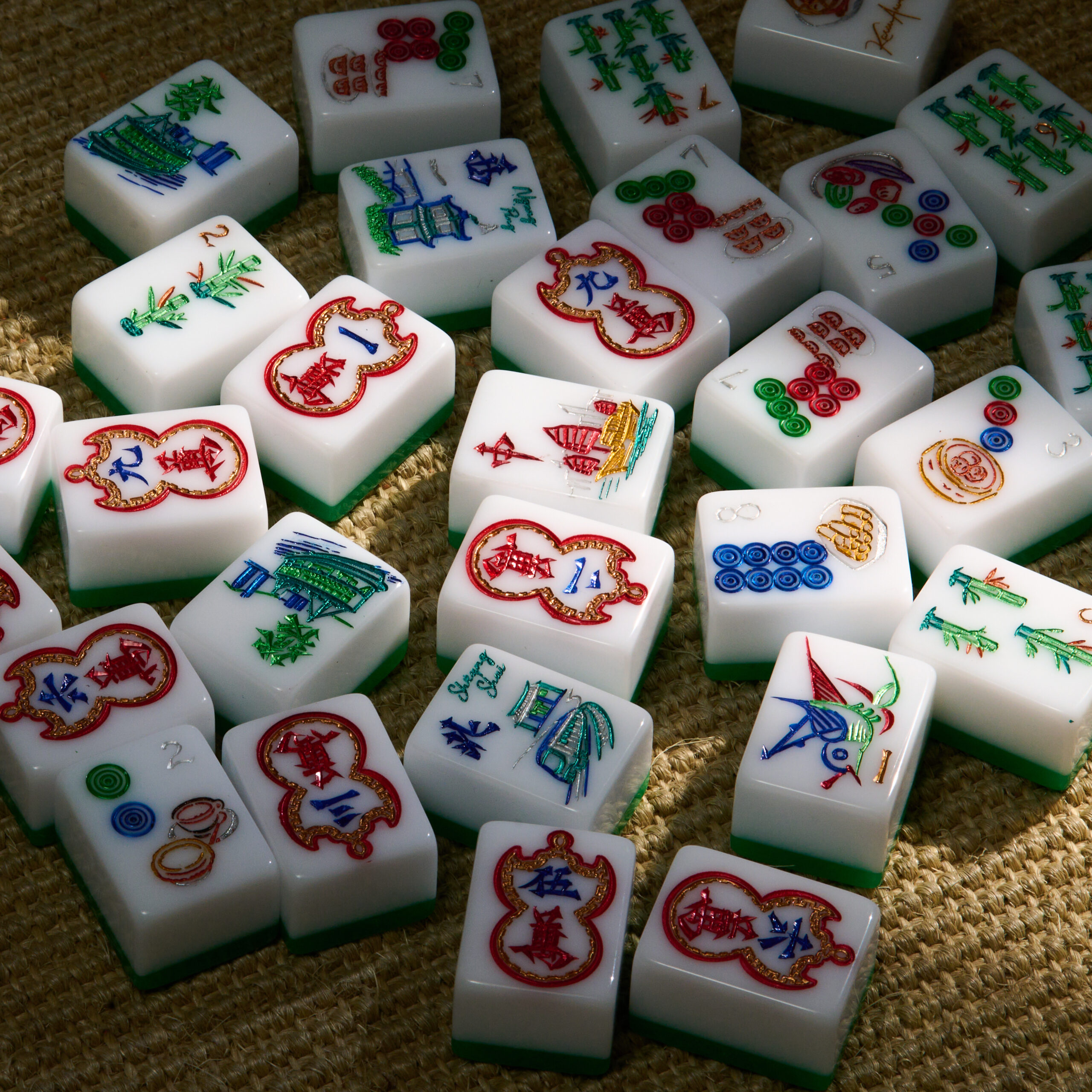
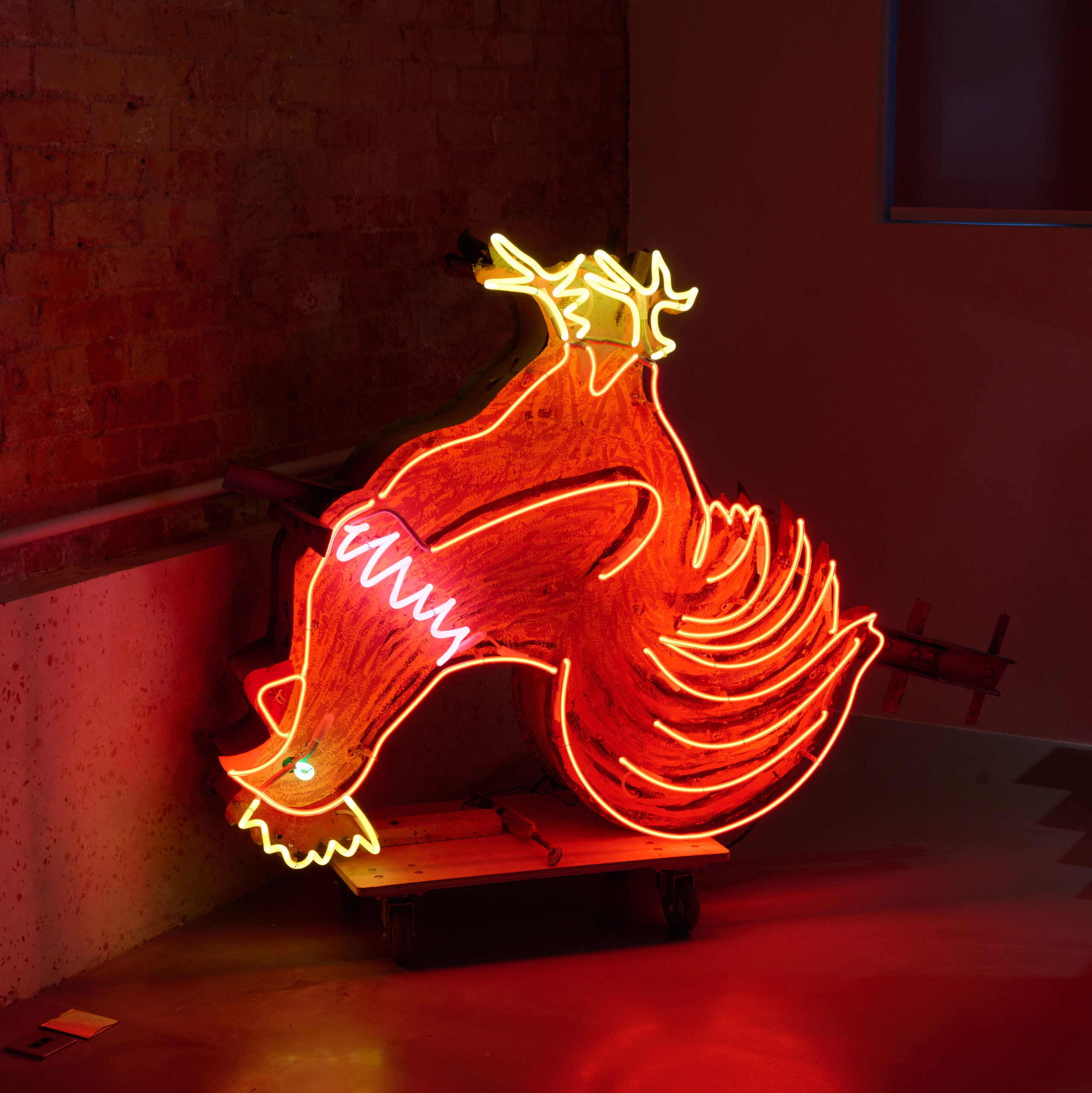
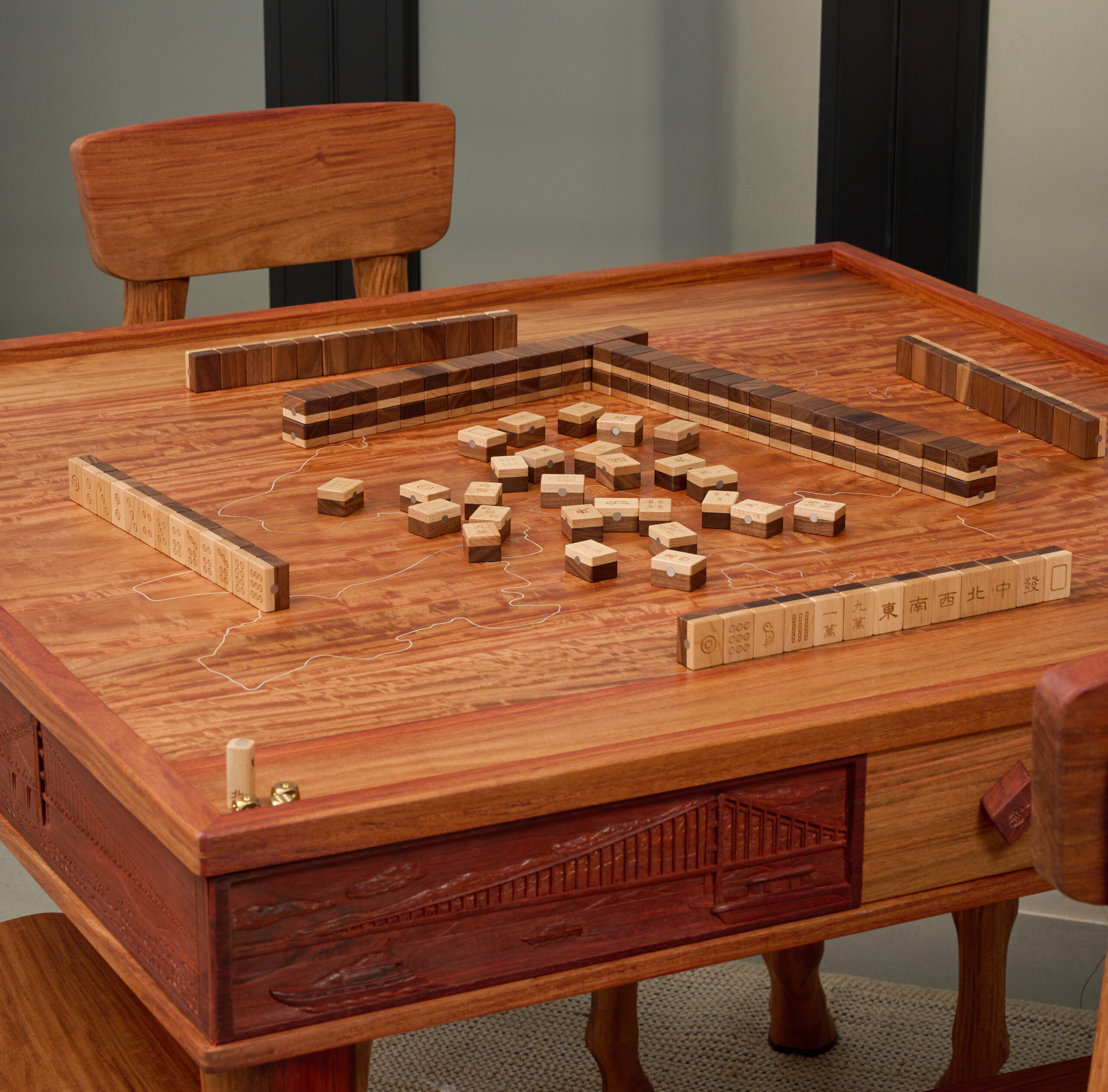
Traditionally, the application of gold leaf was wide-ranging. Key examples of its significance span from the serene, gilded wooden Buddha statues seen in temples, to the striking, iconic dragon and phoenix installations that defined Chinese restaurants throughout the 1980s. Today, Anson seeks to apply gold foil onto modern products, such as gold foil ice cream, hand-carved mahjong, and so on, and passing on the craft through multi-media collaborations.
Making Process
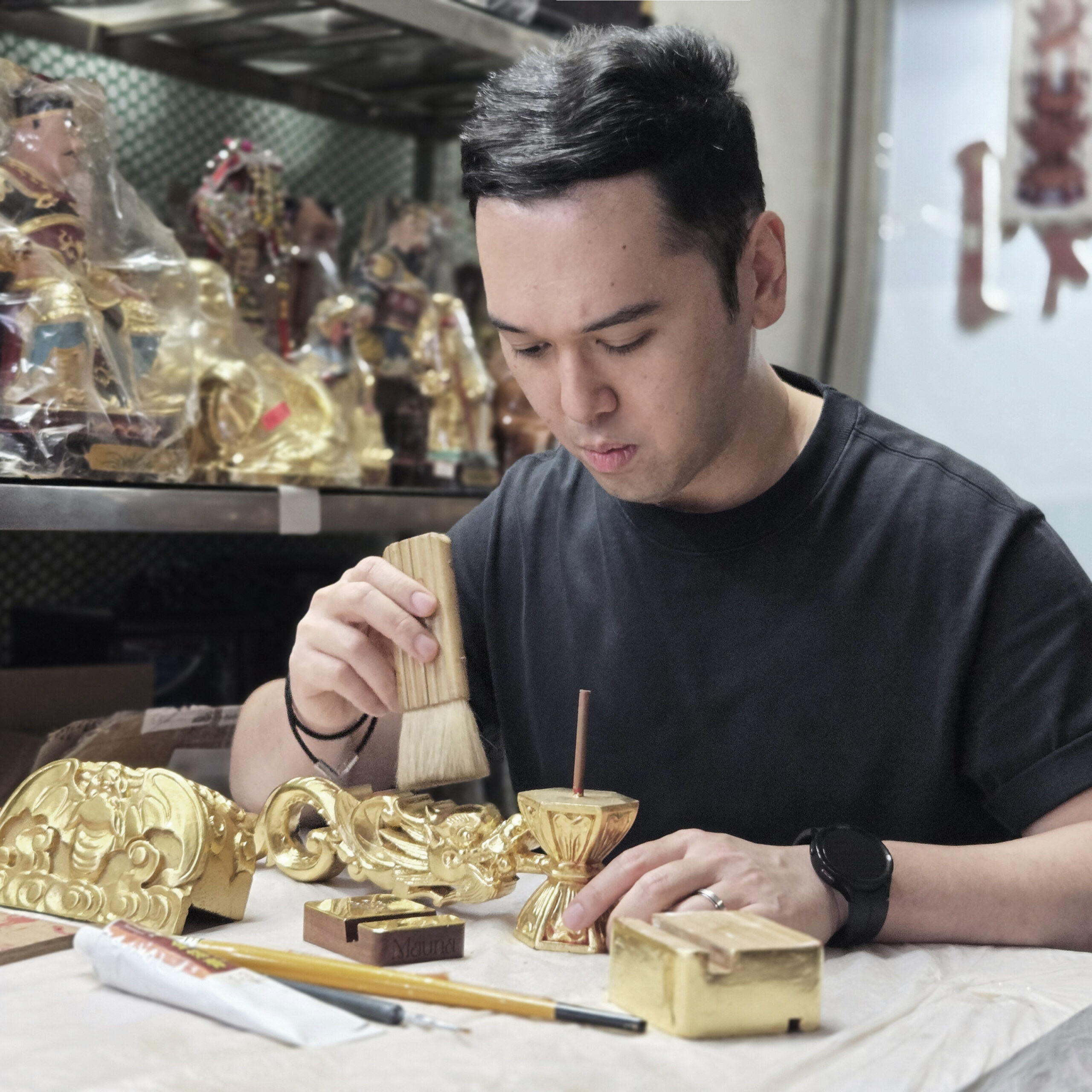
Gilding is a meticulous process that culminates in the application of extremely thin gold leaves. The creation of these leaves is a sophisticated process involving tempering, rolling and intense beating. It begins when malleable gold ingots are first melted and alloyed with traces of silver and copper to adjust the colour. This alloy mixture is then shaped into bars using a mold. Next, these bars are rolled to an initial thickness of about 17 µm. The gold is then subjected to the beating process—hammered over 50,000 times—where repeated blows thin the metal to the required, silk-like consistency.
According to Anson’s sharing, the craft of gold gilding is an extremely intricate process, involving six major, meticulous stages: the process begins with "Priming", ensuring the object's surface is impeccably clean. This is followed by "Glueing", where specialised glue is painted on and allowed to air-dry to the optimum level of tackiness. The third step is the delicate "Opening," requiring careful precision to open the various gold leaf packages without damage. The core work is "Laying", where professional techniques are used to meticulously apply each piece of gold leaf onto the adhesive surface. Next comes "Brushing", where excess gold is gently removed, and a soft brush lightly cleans the surface to allow residual parts to fall away. The final stage is "Protection", applying a protective lacquer or varnish to ensure the varying degrees of the gold's lustre are sustainably preserved.
Artworks from same series
OTHER WORKS FROM EXHIBITION
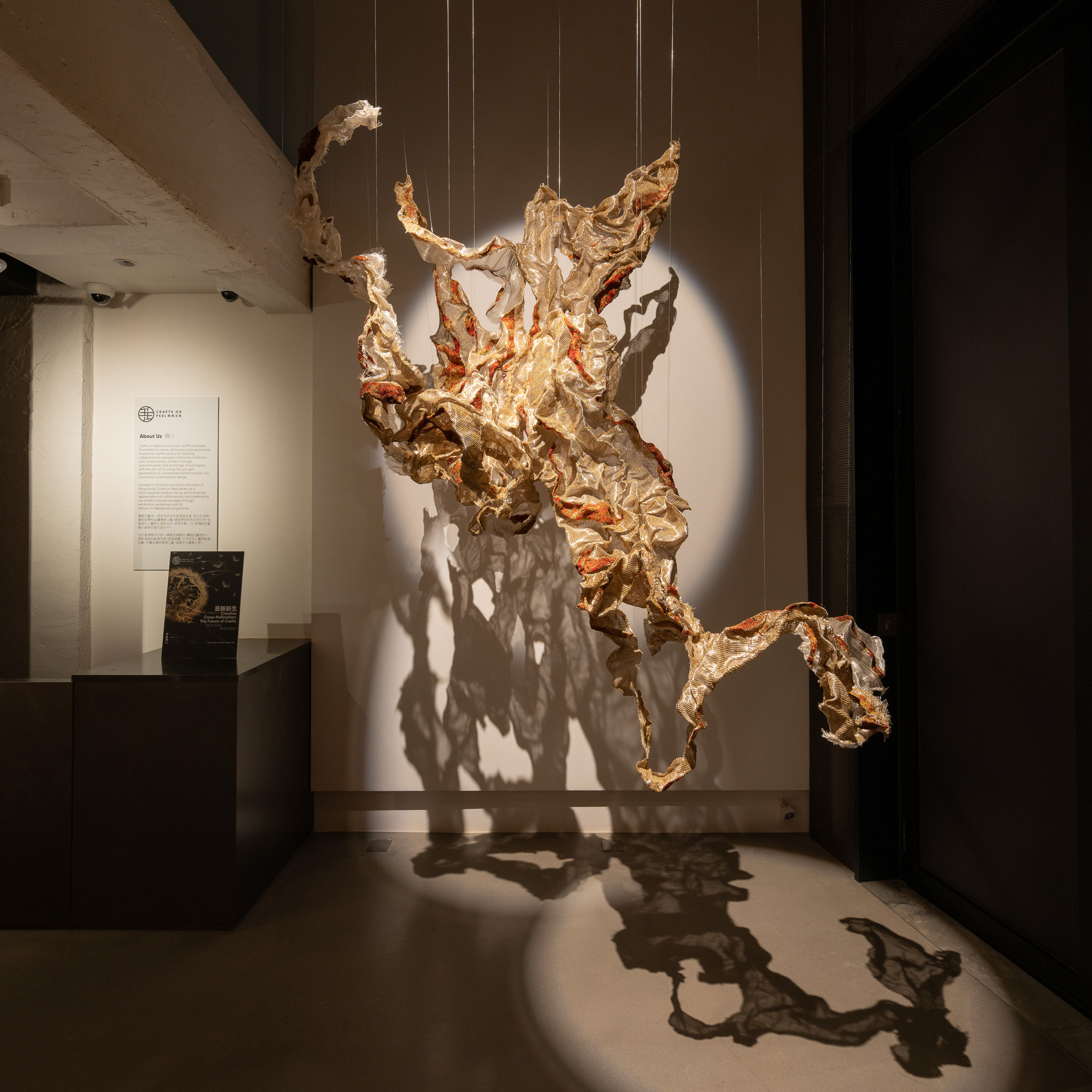

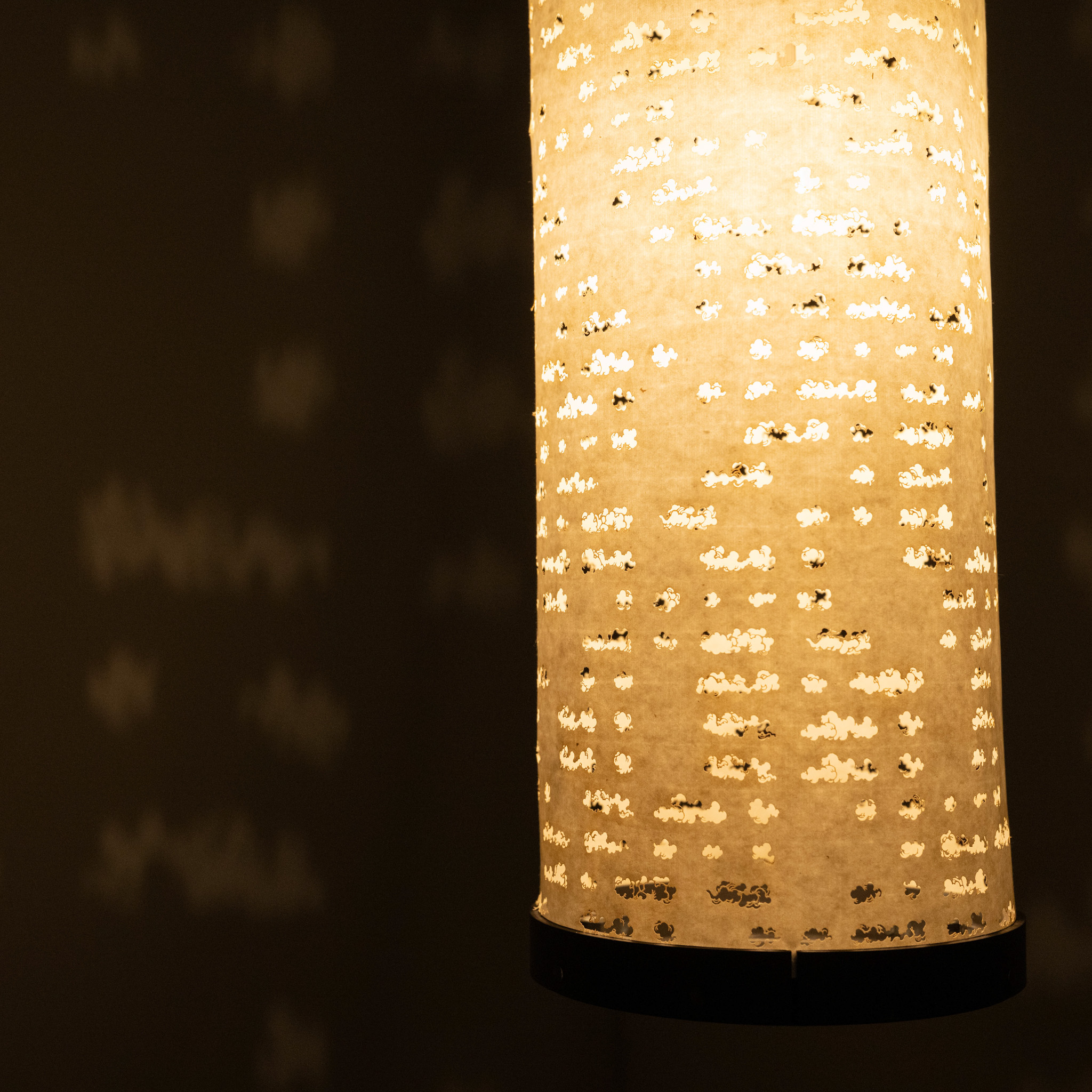
Auspicious Horizons
Yue Kee Rattan Factory & Ahung Masikadd & Barnard Chan & Cecilia Lai